Maximizing Your Print-on-Demand Success with Mama Goose Reading Club PNG and Easter Png Designs
The intersection of literary charm and seasonal celebration offers a unique opportunity for creators in the print-on-demand (POD) space. Specifically, the Mama Goose Reading Club PNG combined with festive Easter Png elements creates a niche that appeals to book lovers, parents, and educators alike. However, simply downloading a file and uploading it to a marketplace is rarely enough to guarantee sales or customer satisfaction. Many creators overlook critical technical and legal details, leading to poor print quality, account suspensions, or wasted marketing budgets. Understanding the nuances of high-resolution digital assets is essential for turning a simple graphic into a profitable product line.
The Hidden Costs of Low-Resolution Assets
One of the most frequent mistakes beginners make is ignoring the technical specifications of their digital downloads. You might find a cute illustration online, but if it is not optimized for printing, it will look pixelated and unprofessional on physical products. When evaluating a Mama Goose Reading Club PNG, you must verify that the file meets industry standards for sublimation and direct-to-garment printing.
A common misconception is that any image labeled "PNG" is ready for commercial use. In reality, a low-resolution web graphic (often 72 DPI) will fail miserably when scaled up for a t-shirt or mug. The result is a blurry, amateurish product that leads to negative reviews and refunds. To avoid this, always ensure your source file is at least 300 DPI (dots per inch). For large formats like tote bags or wall art, dimensions matter significantly. A file size of 4500×5400 pixels provides the necessary density to maintain crisp lines and vibrant colors, even on larger surfaces.
Practical Tip: Before purchasing or downloading, check the file properties. If the seller does not explicitly state the resolution and dimensions, assume it is not suitable for professional printing. High-quality assets save you time on upscaling, which often introduces artifacts and reduces clarity.
Misunderstanding Transparent Backgrounds and Editing Limits
Another area where creators stumble is the expectation of editability. Many users assume that because they have purchased a digital file, they can easily change colors, move elements, or alter text within the design. This is a significant misunderstanding of how raster images work. A standard PNG file with a transparent background is a flattened image. It is not editable in the way a vector file or a layered PSD might be.
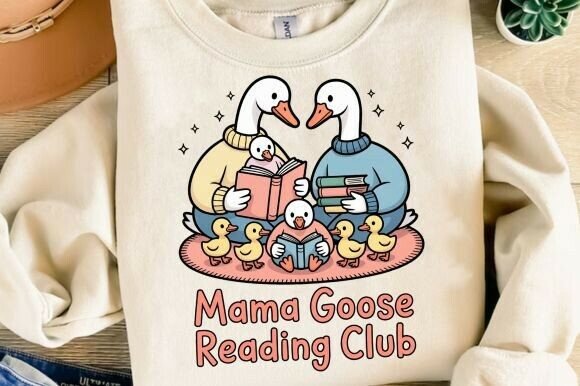
If you attempt to change the color of the goose’s bonnet or the font of the "Reading Club" text using basic software, you will likely end up with jagged edges and mismatched hues. This limitation requires a shift in strategy. Instead of trying to modify the core design, focus on how you present it. Use the transparent background to layer the design over different colored mockups effectively. For instance, a white ink underbase might be needed for dark garments, but the design itself remains static.
Why this matters: Trying to force edits on a non-editable PNG wastes hours of work and often results in a lower-quality final product. Accept the design as-is, or look for sellers who offer customizable templates if specific alterations are crucial to your brand identity.
Navigating Usage Rights: Personal vs. Commercial
Licensing is perhaps the most critical aspect of using digital art for business. A frequent error among new entrepreneurs is assuming that "personal use" covers selling items on Etsy, Amazon Merch, or Redbubble. It does not. Using a design intended only for personal projects in a commercial venture can lead to copyright strikes and legal action.
When you acquire a Mama Goose Reading Club PNG or an Easter Png, you must confirm that Commercial Use is Allowed. This permission grants you the right to incorporate the artwork into physical products for sale. However, even with commercial rights, there are boundaries. Typically, you cannot resell the digital file itself. You are selling the applied design on a tangible item, such as a t-shirt, mug, or tote bag.
- Check the License: Always read the terms of service provided by the creator. Look for explicit mention of "Print-on-Demand" or "Commercial Use."
- Avoid Trademark Issues: Ensure the design does not infringe on existing trademarks. While "Mama Goose" is a common cultural reference, specific artistic renditions may be protected.
- Attribution Requirements: Some licenses require you to credit the artist. Most POD-friendly licenses do not, but verifying this prevents future complications.
Optimizing for Different Product Types
Not all products display designs equally well. A mistake many marketers make is using the same mockup and placement strategy for every item. A design that looks perfect on a white t-shirt might disappear on a navy blue mug if not properly prepared. Since the Mama Goose Reading Club PNG comes with a transparent background, you have flexibility, but you must apply it correctly.
For sublimation on mugs and tumblers, remember that the design wraps around the object. Ensure the key elements, like the goose and the text, are centered and not too close to the edges where they might get cut off or distorted during the pressing process. For t-shirts and clothing items, consider the fabric color. Light-colored shirts showcase the design directly, while dark shirts may require a white underlayer or a specific printing technique to ensure visibility.
Digital projects and scrapbooks offer more leeway, but resolution still counts. Even for digital use, a high-resolution file ensures that zoomed-in views on tablets or high-definition screens remain sharp. This attention to detail enhances perceived value, encouraging customers to choose your products over competitors with lower-quality assets.
Strategic Selection for Seasonal Relevance
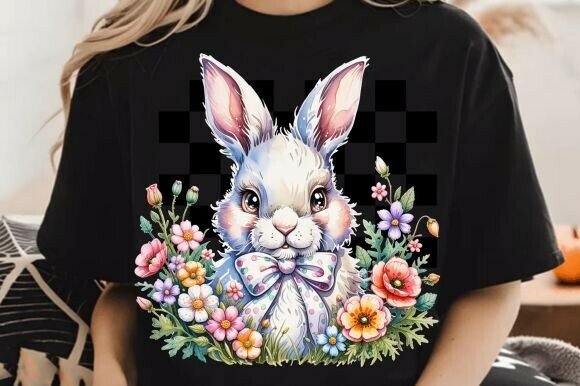
Timing is everything in retail. An Easter Png featuring a reading theme is highly seasonal. Failing to plan your inventory and marketing calendar around this seasonality is a missed opportunity. Creators should upload these designs weeks in advance to allow for indexing on platforms and early bird shoppers. Conversely, keeping these designs active year-round without adjustment can clutter your store and dilute your brand focus.
Consider bundling. If you have a series of reading-themed graphics, combine the Easter edition with other seasonal variants. This approach increases the average order value and provides customers with variety. However, ensure each design maintains the same high standard of 300 DPI and professional composition. Consistency builds trust.
Final Checks Before Launching
Before you publish your product, perform a quality audit. Download your own file and place it on a mockup. Zoom in to 100%. Are the edges clean? Is the text legible? Does the color palette harmonize with the product background? These small checks prevent costly mistakes.
Additionally, verify that the file format is indeed a PNG with transparency. Open it in an image viewer with a contrasting background to ensure no white box surrounds the design. This simple step ensures that your sublimation prints do not have unwanted white squares around the artwork.
By focusing on technical quality, respecting licensing terms, and understanding product-specific requirements, you can leverage assets like the Mama Goose Reading Club PNG effectively. This disciplined approach transforms a simple digital download into a robust component of your creative business, ensuring long-term success and customer satisfaction.